Sachsenhausen from Berlin
The camp the SS built as its model and training center stands preserved north of Berlin. Entry is free, the S-Bahn covers the trip, and the visit takes the day it should take.
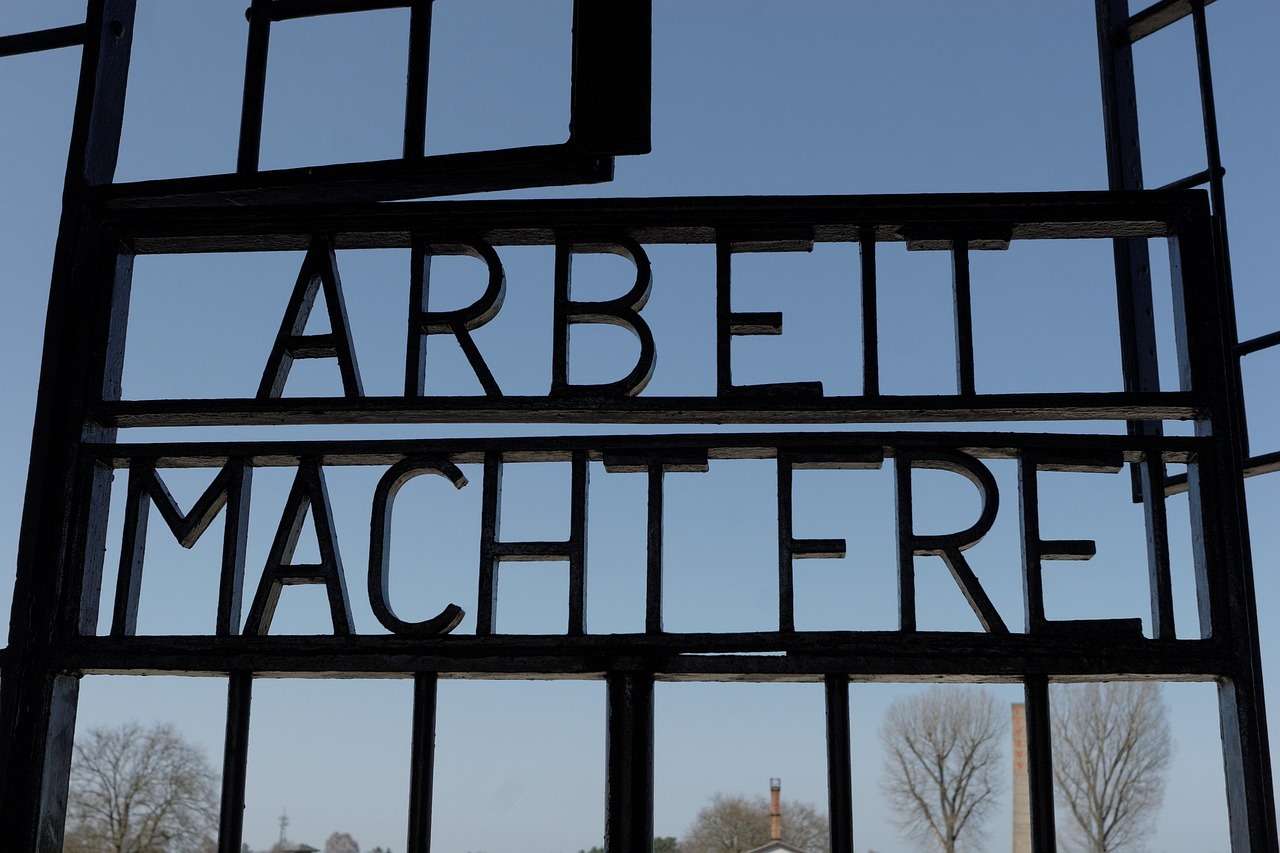
The short version
- Take the S1 from central Berlin to its Oranienburg terminus (about 45 minutes on an ABC-zone ticket), then bus 804 toward the memorial or the signed 20-minute walk through town.
- Entry is free; the audio guide carries a small fee and is worth it, and the visitor center’s orientation film sets the ground; details and hours at sachsenhausen-sbg.de.
- Sachsenhausen opened in 1936 as the SS model camp and administrative center for the entire system; more than 200,000 people were imprisoned here, and tens of thousands died.
- The site tells its second history plainly too: from 1945 to 1950 the Soviet occupation ran Special Camp No. 1 in the same grounds, where thousands more died — both histories are documented on site, side by side.
- The preserved and reconstructed grounds include the semicircular roll-call area under Tower A, barracks exhibitions, the punishment cells, the infirmary buildings, and the Station Z extermination site’s remains.
- The memorial recommends the visit for older students and adults; the exhibitions do not soften the record, and conduct expectations are those of a cemetery.

Getting there
The S1 runs from Friedrichstrasse and the central spine to Oranienburg every twenty minutes; an ABC ticket covers the full journey and the bus. From Oranienburg station, bus 804 reaches the memorial entrance in a few minutes on the same ticket, or the walk through the ordinary streets of the town — a passage that has its own quiet weight — takes twenty. Regional trains from Hauptbahnhof shave minutes for the schedule-minded. Allow the full morning-to-afternoon block; arriving after midday shortchanges the site.
The visit
Begin at the visitor center for the site plan and the film, then enter through Tower A’s gate — the inspection point from which the SS designed total sightline control, the camp’s geometry radiating as an instrument. The roll-call ground, the reconstructed barracks with their exhibitions on prisoners’ lives, the punishment block, and the pathology and infirmary buildings each carry a chapter; Station Z’s remains, behind the perimeter, are the hardest ground and the memorial treats them accordingly. The Soviet special-camp museum completes the site’s double history without equivalence or evasion. Four hours is a working minimum. The town of Oranienburg offers a bakery and a train home; the day asks nothing else of it.
Practical notes
The grounds are exposed — flat, windswept, and unheated by design — so dress for the weather in every season; winter visits are legitimate and demand real clothing. Photography is permitted with the restraint the site expects; guided tours in English run on posted days and deepen the visit considerably. The exhibitions’ texts are unflinching, which is their function. Plan the evening after as empty — the return S-Bahn carries most visitors home in silence, and that is the correct souvenir.
Frequently Asked Questions
How does Sachsenhausen differ from visiting Dachau?
Dachau was the first camp and the system’s template; Sachsenhausen became its administrative heart and model, with the SS camp inspectorate headquartered beside it. Both are visited the same way: seriously, unhurried, and on their own day. Berlin visitors have Sachsenhausen; Munich visitors have Dachau.
What was the Soviet special camp?
From 1945 to 1950 the Soviet administration imprisoned tens of thousands here — functionaries, alleged opponents, and many held without cause; thousands died of hunger and disease. The memorial documents it fully in its own museum, holding both histories without letting either erase the other.
Is a guided tour necessary?
The audio guide and exhibitions serve independent visitors well; the English tours add context and handle questions with care. Either way, what the site needs from you is time, not commentary — the walking and reading are the visit.
Is it appropriate for children?
The memorial’s own guidance points to older students and adults; the exhibitions are explicit by necessity. Families should decide with that stated plainly.
Why visit at all?
Because the site preserves the machinery’s blueprint — the place where the system was designed, staffed, and taught — and keeping that legible is the memorial’s purpose. Visiting, prepared and quiet, is participation in the record.